Feeding
How Milk Banks Differ From Informal Milk Sharing
Donor milk reaches babies through two very different routes, one with donor screening and pasteurization and one with neither, and the distinction is the safety mechanism.
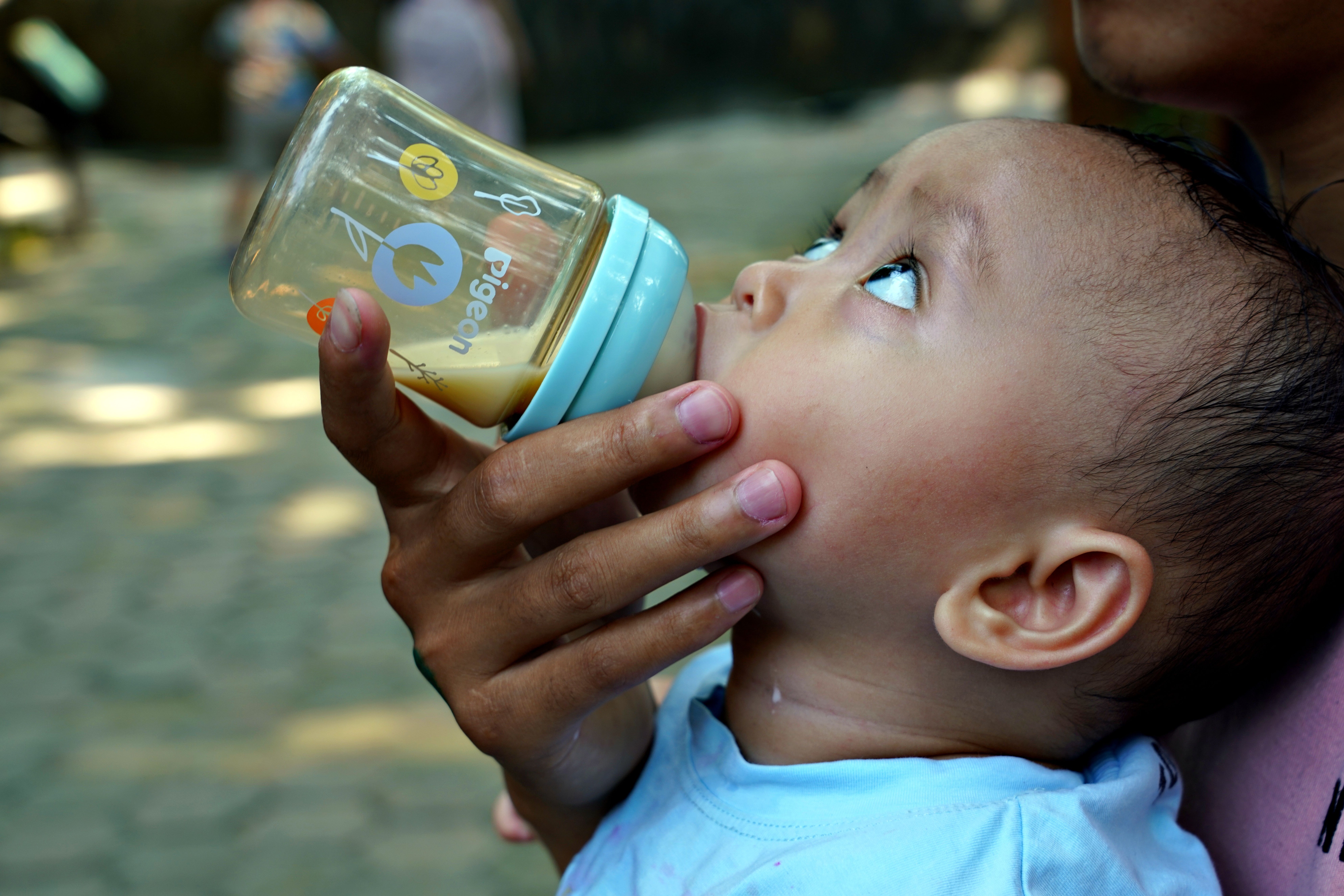
Human milk that did not come from a baby's own mother reaches infants through two routes that share nothing but the substance itself. The difference between them is a processing chain.
What a nonprofit milk bank does
Established milk banks screen donors through health history, lifestyle questions and blood testing, in a process modeled on blood donation.
Milk from several screened donors is pooled, which evens out nutritional variation, then pasteurized with a heat treatment designed to inactivate viruses and bacteria while preserving much of the milk's composition.
Batches are cultured after processing, and milk is released only when the culture comes back clear. Each batch is tracked so it can be traced to its donors.
Who receives banked milk first
Supply is limited, so banks distribute by clinical priority. Infants born very early or with medical conditions in neonatal units are at the front of that queue.
Hospitals order through the bank, and outpatient dispensing generally requires a prescription, which is why families cannot simply purchase from the shelf.
Some hospital systems and insurers cover donor milk for qualifying infants. Coverage rules vary and are determined by the plan and the state rather than by the bank.
What informal sharing skips
Milk arranged privately, through social networks or online listings, has no donor screening, no pasteurization step and no post-processing culture.
The risks named by public health authorities are transmissible infections, contamination during expression or storage, and substances that pass into milk from medication or other sources.
Milk offered for sale online has additionally been found in testing to be diluted or mixed with other milk, which is a separate problem from contamination.
Why the distinction gets blurred
Both routes are described as donor milk, and both involve a real donor acting in good faith, which makes the categories feel closer than the processing makes them.
Sharing between people who know each other well feels different from an anonymous transaction, though the biological risks do not depend on familiarity.
Health authorities address the processing chain rather than the relationship, which is why their statements read as blanket cautions.
Where the decision belongs
Families considering donor milk for a specific baby, particularly one born early or with a medical condition, are working on a clinical question.
The pediatrician or the neonatal team can explain what is available locally, what a prescription would involve and what the alternatives are for that infant.
That conversation is also where supply concerns get addressed, since the reason a family is seeking donor milk often has its own answer.