Newborn Care
What The First Pediatric Visit Covers
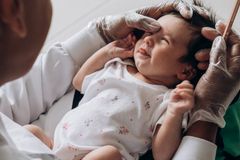
The appointment a few days after hospital discharge exists to catch feeding, weight and jaundice problems during the window when they most often appear.
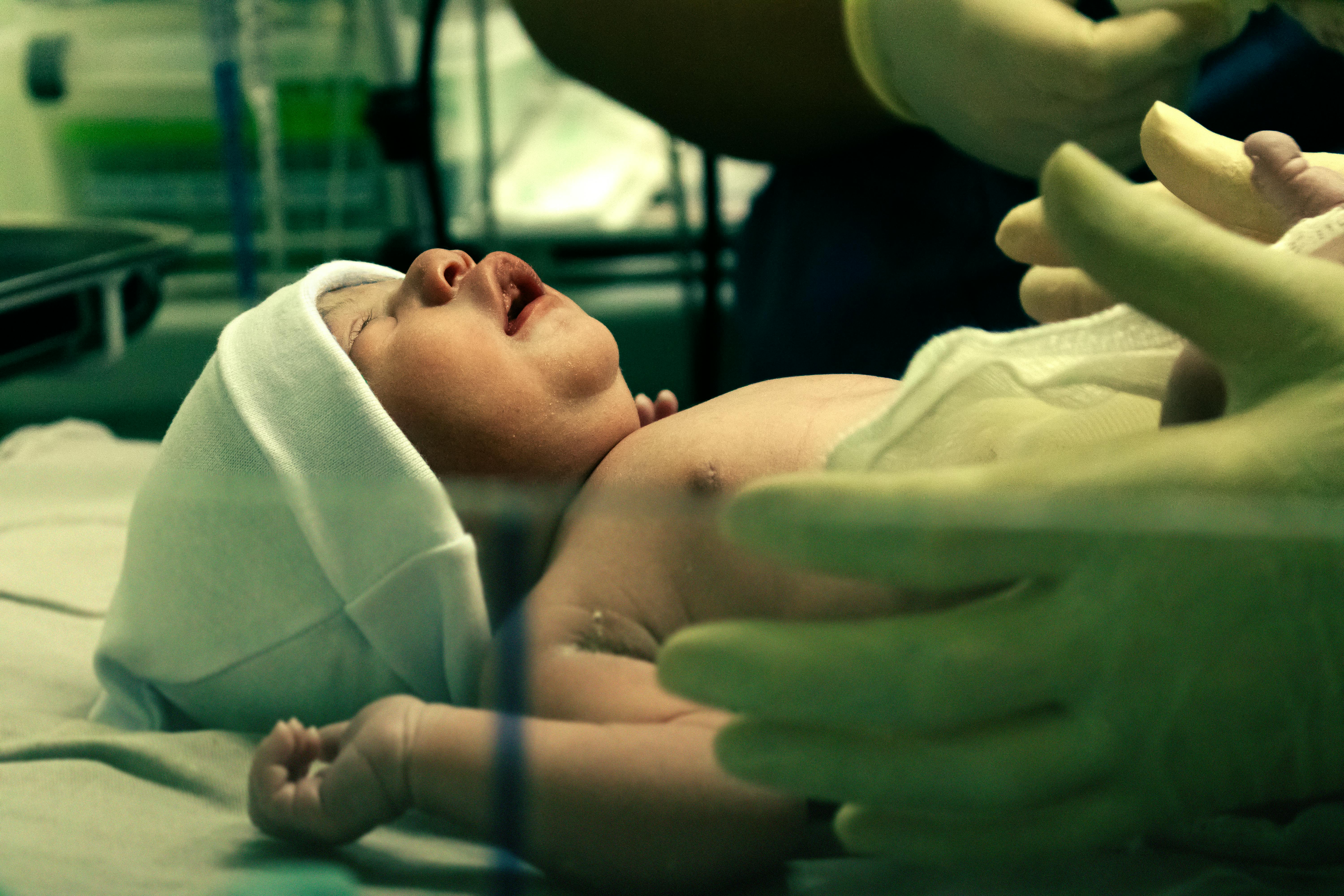
American newborns are seen by a pediatric office within days of leaving the hospital rather than at the traditional first month checkup. The timing targets a specific window of risk.
Why the visit happens so soon
Hospital stays after uncomplicated birth are short, and several things that go wrong in newborns declare themselves after the point at which most families go home.
Feeding is still being established, weight is still falling before it turns around, and jaundice typically peaks in the days after discharge rather than before it.
Scheduling the visit into that window means these are assessed while there is still time to intervene before they become serious.
What weight tells the clinician
Newborns lose weight in the first days and then regain it, and the shape of that curve is a direct readout of how feeding is going.
The office weighs the infant undressed on the same type of scale each visit, since a comparison is only meaningful if the conditions match.
A weight trajectory outside the expected pattern prompts a closer look at feeding rather than an immediate conclusion, because the cause determines the response.
How feeding is assessed
The clinician asks about frequency, duration and what happens during feeds, along with diaper output, which is an indirect measure of intake.
Observing a feed is often part of the visit, since latch, positioning and swallowing are visible to a trained observer in a way that description cannot convey.
Lactation support may be involved at this point, and many pediatric practices have a consultant available or a referral pathway to one.
What else is checked
Jaundice is assessed visually and often measured, since the level and the infant's age in hours together determine whether anything is needed.
The umbilical area, skin, eyes, heart sounds, hips and reflexes are examined, and the newborn screening results from the hospital are reviewed.
Results outstanding from the hospital, including hearing screening and the blood spot panel, are tracked here, which is one reason the visit matters administratively as well as clinically.
Why the parent conversation counts
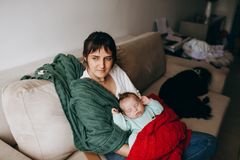
The visit is also a check on the household, covering sleep arrangements, how the parents are managing and whether support is available.
Screening for parental mood is increasingly part of pediatric visits in the early months, since a parent's health directly affects the infant's care.
Anything that has worried a family since discharge belongs at this appointment, and questions between visits are what the office phone line exists for.